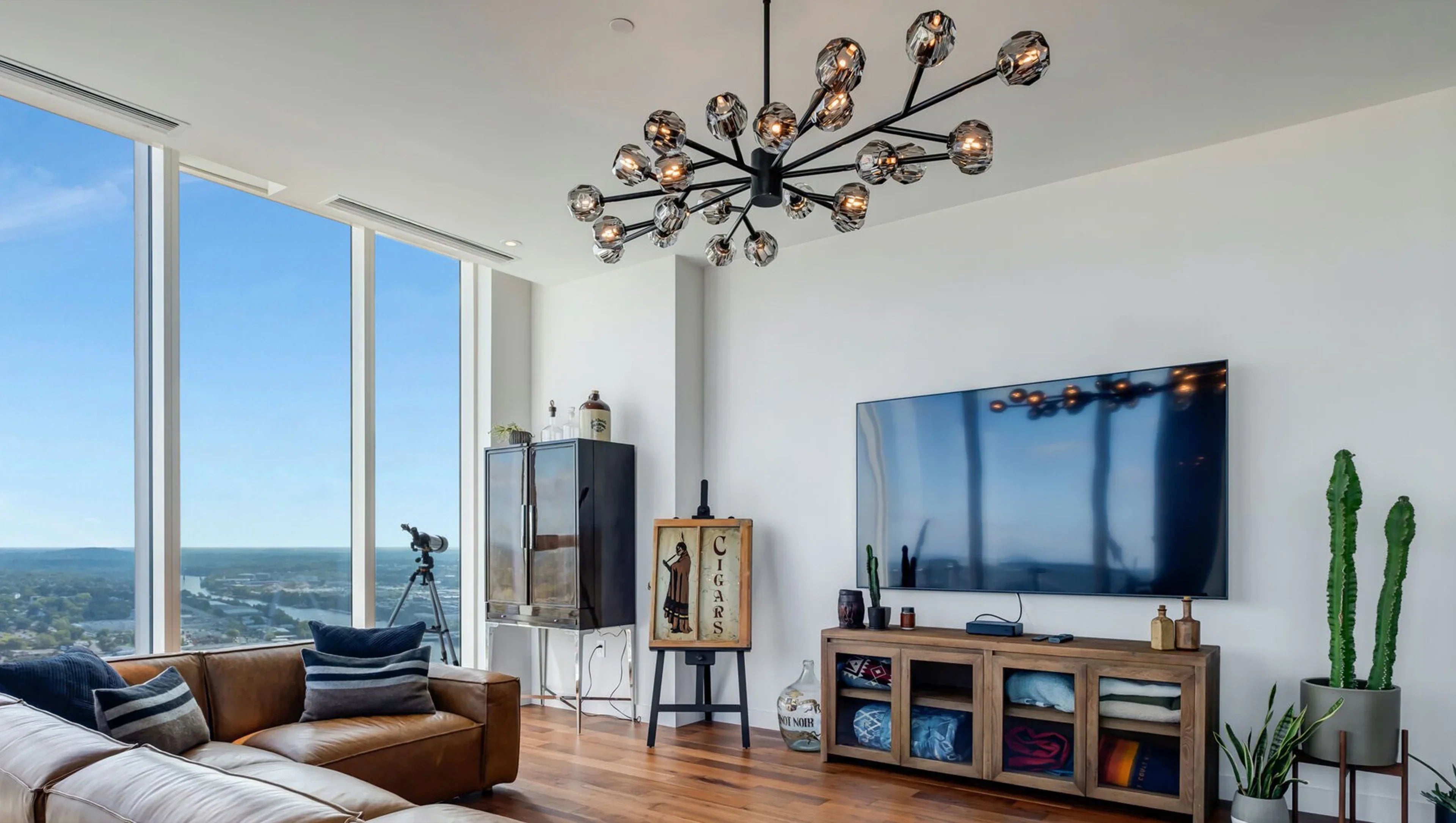
Chandelier Size Guide
How to Choose the Right Chandelier for Every Space | Carrowen With chandeliers available in countless sizes, finishes, and styles, choosing the right one can feel overwhelming. A chandelier is more than a light fixture—it defines scale, anchors a room, and sets the overall mood. If you’re still exploring styles, our Chandelier Ideas: A Guide to Choosing the Right Crystal Chandeliers is a helpful place to begin. In this guide, Carrowen focuses specifically on chandelier sizing, breaking down clear, practical rules to help you achieve perfect balance and proportion in every space. Why Chandelier Size Is So Important A chandelier that’s too small can disappear visually in a large room, while one that’s too large may dominate and overwhelm a smaller space. The ideal chandelier should feel intentional—proportional to the room’s width, ceiling height, and surrounding furniture. The good news? You don’t need to be a designer to get it right. The following guidelines make chandelier sizing simple and approachable. General Chandelier Sizing Rules 1. How to Determine the Chandelier Diameter A widely used rule of thumb is based on the room’s dimensions. Formula:Room length (ft) + room width (ft) = chandelier diameter (inches) Example:16 ft (length) + 8 ft (width) = 24-inch chandelier diameter This method works well for living rooms, bedrooms, and open-plan areas. 2. How to Determine the Chandelier Height For pendant-style chandeliers, vertical proportion is just as important. Formula:Ceiling height (ft) × 2.5 = chandelier height (inches) Example:11 ft ceiling × 2.5 = 27.5-inch chandelier height This guideline applies primarily to hanging chandeliers rather than flush-mount ceiling fixtures. 3. Proper Hanging Height in Open Spaces When a chandelier hangs in an open area without furniture beneath it, clearance is key. The bottom of the chandelier should be at least 7.5 feet from the floor. This ensures comfortable movement while keeping the chandelier visually connected to the space. 4. Hanging Height Above a Dining Table or Kitchen Island When placing a chandelier above a surface, visual comfort and function come first. Hang the chandelier 30–36 inches above the tabletop or island surface. This height provides balanced lighting without blocking sightlines or conversation. Room-Specific Chandelier Guidelines Dining Rooms & Kitchen Islands In dining areas, the furniture itself becomes your reference point. Recommended size:The chandelier’s diameter or length should be ½ to ¾ of the table or island length. Example:60-inch table → chandelier should be 30–45 inches wide or long. This proportion creates a strong focal point without overpowering the table. Two-Story Foyers with Staircases Large foyers call for thoughtful placement, not just scale. The chandelier should hang at least 7.5 feet above the floor Use the second-floor landing as a visual reference Ideally, the top of the chandelier aligns with or sits slightly below eye level when viewed from upstairs Some designers also center the chandelier around architectural features—such as a tall window above the entry—for dramatic visual impact inside and out. Long Hallways Hallway chandeliers are sized based on width rather than length. Formula:Hallway width (ft) × 2.5 = chandelier diameter (inches) Example:8 ft hallway × 2.5 = 20-inch chandelier diameter Best practices for long hallways: Center chandeliers along the hallway axis Space fixtures 8–10 feet apart Maintain 7.5 feet of floor clearance This creates rhythm, balance, and consistent illumination. Find the Perfect Fit with Carrowen Choosing the right chandelier size doesn’t have to be complicated. With clear proportions and thoughtful placement, lighting becomes a defining feature—enhancing architecture, improving comfort, and elevating everyday living. If you’d like personalized sizing advice or help selecting the perfect chandelier for your home, the Carrowen team is always here to help. ✨ Explore our chandelier collection and bring balance, beauty, and confidence to your space.